
Hands-on practice first
Every workshop centers on direct interaction with plants and materials. You learn by doing, not by watching slides. Each session includes tangible projects you complete and take home.
Davidparkinbass was founded in 2023 to bridge the gap between plant enthusiasm and practical design knowledge. We teach people how to transform their homes with greenery that actually thrives.
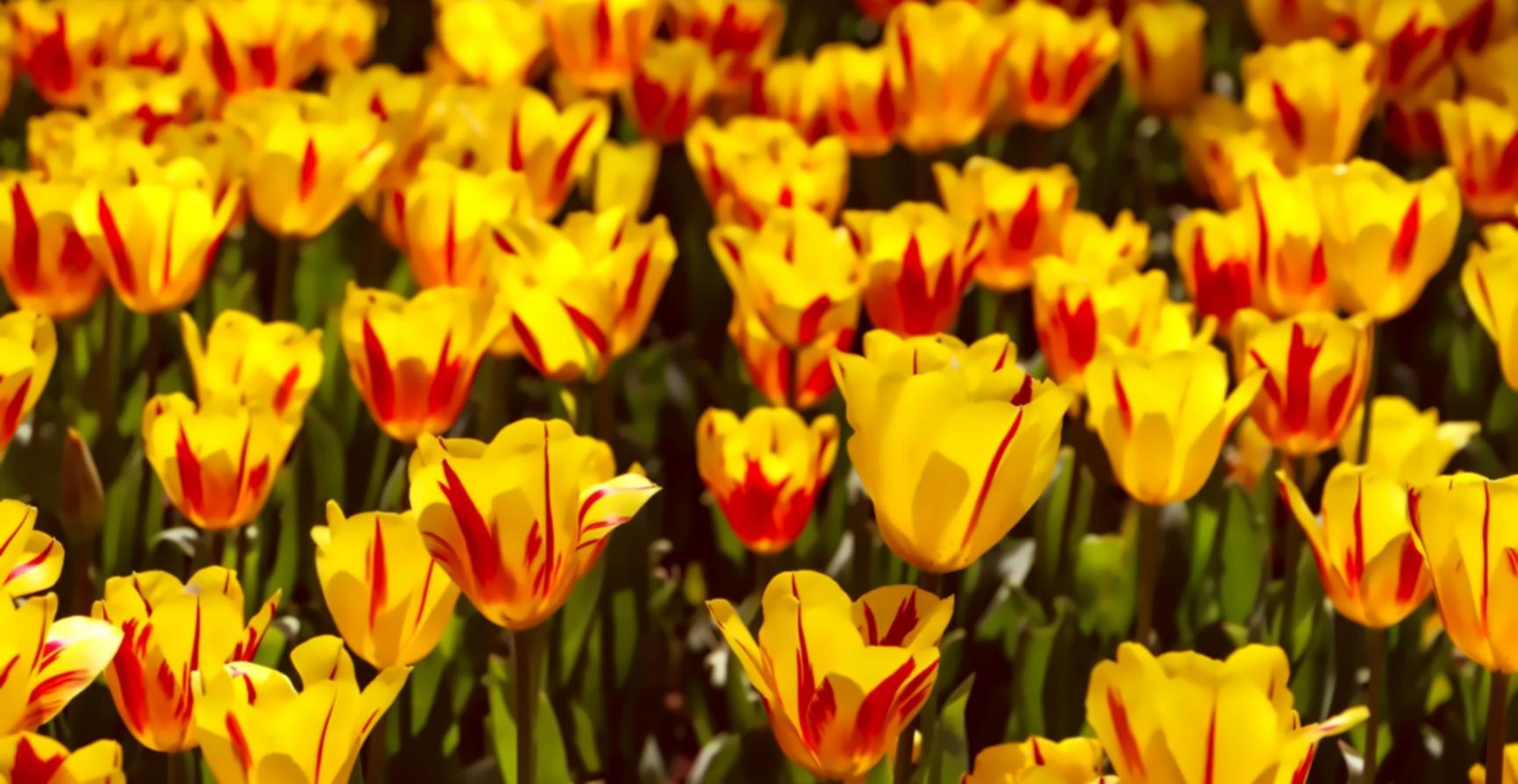
Every workshop centers on direct interaction with plants and materials. You learn by doing, not by watching slides. Each session includes tangible projects you complete and take home.
We design exercises around actual apartment conditions. Limited light, small rooms, and busy schedules shape our curriculum because those are the realities most people face.
Success means plants that survive beyond the first month. Our methods focus on maintenance routines, early problem detection, and recovery strategies for common mistakes.
Three horticulture graduates noticed a pattern: people bought plants, followed generic care guides, and watched them decline. The problem wasn't commitment. It was the disconnect between textbook advice and messy real-world conditions. We built davidparkinbass to teach indoor plant design as a practical skill, not an aspirational hobby.
Our students range from complete beginners to experienced gardeners adapting to indoor environments. Some want to green a single room. Others are redesigning entire apartments. What they share is a preference for structured learning over trial and error, and a willingness to adjust their space to suit plant needs.

Workshop Lead
Liina spent eight years managing botanical collections before moving to education. She designs all our course sequences and tests every exercise in her own apartment first.

Program Coordinator
Kertu handles logistics and student support. She tracks common questions across cohorts to identify gaps in our materials and refine explanations that initially confused people.
These guides and references support ongoing learning after workshops end. Each one addresses specific problems students encountered repeatedly.
Step-by-step method for measuring available light in different rooms throughout the day. Includes plant matching charts for low, medium, and bright indirect conditions.

Customizable template that factors in plant type, pot size, and seasonal changes. Helps you establish consistent routines without over-watering.
Visual reference for identifying common issues like root rot, nutrient deficiency, and pest damage. Includes photos of symptoms at different stages.
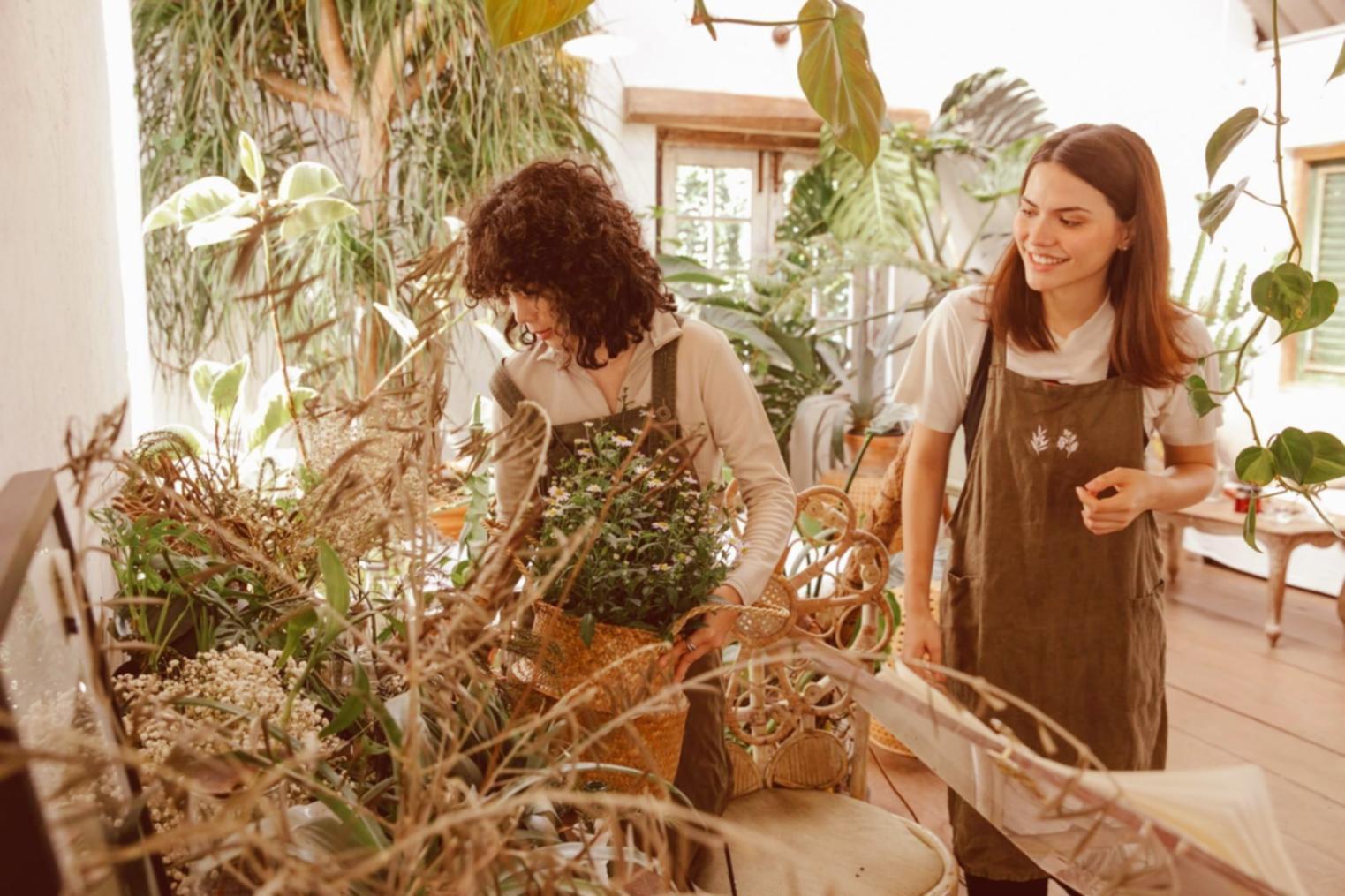
Month-by-month recommendations for modifying care routines as daylight and temperature shift. Covers both tropical and temperate species.
1,240
Workshop participants
38
Course modules
16
Plant species covered
4.7
Average rating